
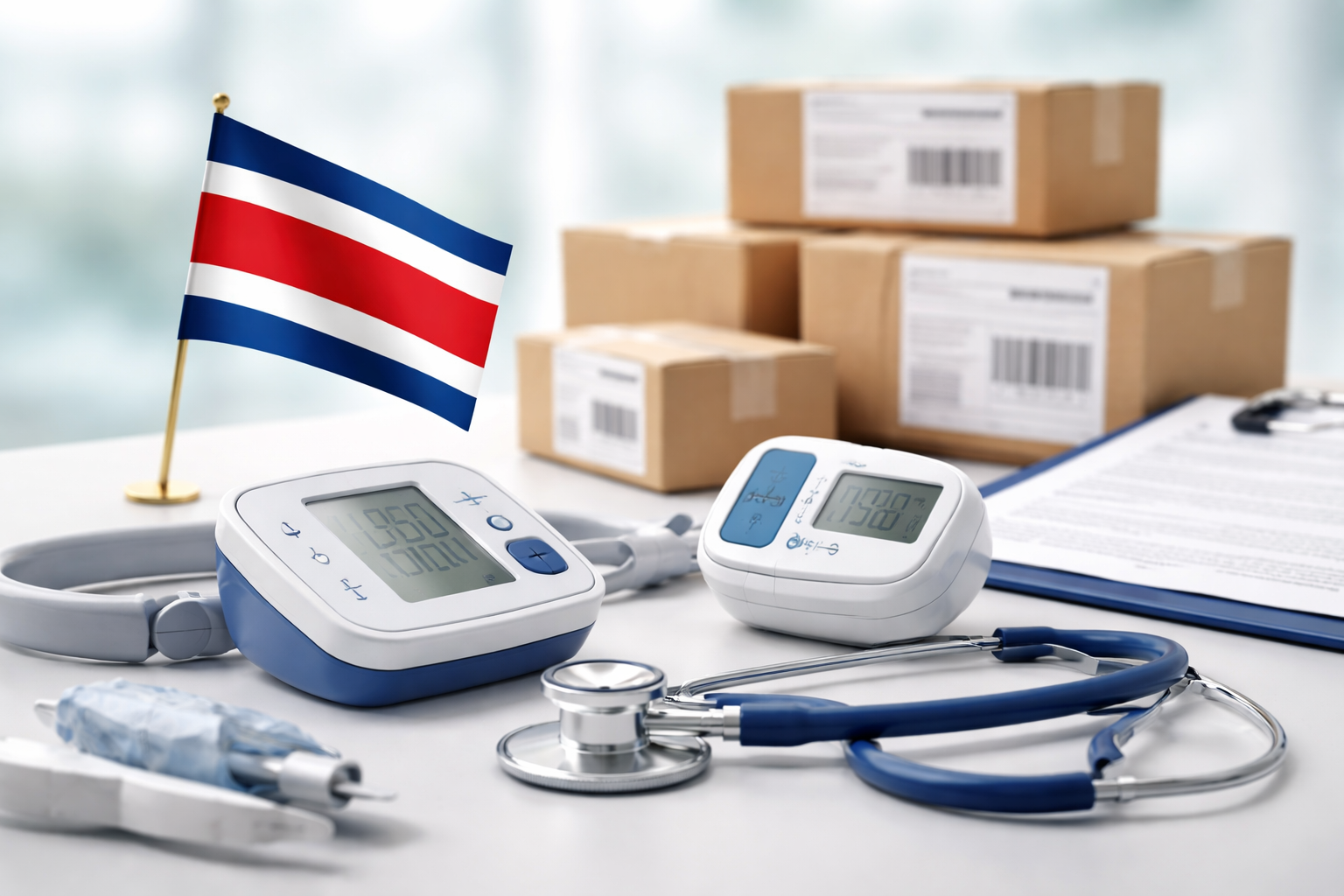
The importation of medical devices is a key process for access to technology within the healthcare system. In Costa Rica, this process is regulated by the Ministry of Health and requires compliance with a series of technical, regulatory, and administrative requirements before a product can be marketed or used in the country.
For healthcare companies, international manufacturers, and distributors, understanding these requirements is essential to avoid delays, sanctions, or regulatory rejections. Below is a general guide to the process of importing medical devices into Costa Rica.
What Is Considered a Medical Device?
According to current health regulations, a medical device is any instrument, equipment, material, or software used for medical purposes in humans for diagnosis, prevention, monitoring, treatment, or relief of a disease or condition.
This includes, for example:
- Hospital medical equipment
- Surgical instruments
- Diagnostic devices
- Monitoring equipment
- Specialized medical materials
- Implants and prostheses
The regulation of these products aims to ensure the safety, quality, and effectiveness of the devices used in the healthcare system..
Regulatory Framework in Costa Rica
The importation and commercialization of medical devices in Costa Rica are mainly regulated by the Ministry of Health,which oversees compliance with the health requirements established in national regulations and within the Central American regulatory framework.
In particular, the process is governed by provisions related to:
- Medical device sanitary registration
- Risk classification
- Technical documentation requirements
- Authorization of importers or distributors
Additionally, Costa Rica is part of the Central American regional regulatory system, which involves the application of harmonized technical regulations for medical devices..
Classification of Medical Devices
One of the first steps in the regulatory process is to determine the classification of the medical device according to its risk level..
Generally, devices are classified into categories that may range from:
- Low risk
- Moderate risk
- High risk
The classification depends on factors such as:
- The intended use of the device
- The degree of invasiveness
- The duration of contact with the patient
- The potential impact on health
This classification determines the the type of documentation required for sanitary registration..
Requirements to Import Medical Devices into Costa Rica
Before importing a medical device, several regulatory requirements must be met. The main ones include:
1. Sanitary Registration of the Device
For a medical device to be marketed in the country, it must have a sanitary registration approved by the Ministry of Health. registro sanitario aprobado por el Ministerio de Salud.
The registration process includes the submission of technical information, which may include:
- Device description
- Intended use
- Información del fabricante
- Quality certifications
- Evidence of safety and performance
- Labeling and technical documentation
Depending on the device classification, the level of evaluation may vary.
2. Authorization of the Importer or Distributor
Las empresas que deseen importar dispositivos médicos deben estar Companies that wish to import medical devices must be properly authorized as importers or distributors of health products..
This involves meeting regulatory requirements related to:
- Company registration with health authorities
- Technical responsibility
- Compliance with handling and storage conditions
3. Compliance with Labeling Requirements
Medical device labeling must comply with specific regulatory provisions to ensure that users have clear information about the product.
Labeling generally must include:
- Device name
- Manufacturer
- Sanitary registration number
- Instructions for use
- Warnings and precautions when applicable
4. Import Documentation
Once the device has sanitary registration and the importer is authorized, the import process can proceed.
This process normally requires documentation such as:
- Commercial invoice
- Transport documents
- Product information
- Valid sanitary registration
Authorities may carry out inspections to ensure compliance with health regulations.
Common Challenges in the Import Process
For many international companies, the regulatory process may present some challenges, including:
- Interpretation of regulatory requirements
- Preparation of technical documentation
- Coordination between manufacturers and local representatives
- Having specialized regulatory
Having specialized regulatory support can help speed up processes and reduce administrative or health-related risks..
Importance of Regulatory Compliance
Compliance with regulatory requirements is not only a legal obligation but also contributes to:
- Protecting patient safety
- Ensuring the quality of medical technology
- Maintaining trust in the healthcare system
For this reason, health authorities maintain strict controls over products entering the country.
Conclusion
Importing medical devices into Costa Rica requires a regulatory process that includes sanitary registration, compliance with technical requirements, and authorization of importers.
Understanding these steps is essential for companies seeking to introduce medical technology into the Costa Rican market and operate within the current regulatory framework.
Proper planning and knowledge of applicable regulations can facilitate the process and ensure compliance with required health standards.
Do You Need Support with Regulatory Processes in the Healthcare Sector?
FOLESCO provides specialized support to healthcare companies in processes related to:
- Importation of medical devices
- Sanitary registration of products
- Regulatory compliance
- Medical technology management
Our team has experience in the healthcare industry and in the implementation of technical solutions for organizations in the sector.